
📸 Photo: Unsplash — Free to use
Losing body weight is one of the most common health goals worldwide — yet it remains one of the most misunderstood. Fad diets, detox teas, and quick-fix supplements dominate social media, but the science tells a different story: sustainable weight loss comes from consistent, evidence-based habits, not shortcuts.
This guide distils the best of nutrition science, exercise physiology, and behavioural psychology into 10 practical strategies you can start today. Whether you have 5 kg or 50 kg to lose, these principles apply to you.
🔬 Understanding the Fundamentals: Why We Gain Weight
At its core, weight gain occurs when caloric intake consistently exceeds caloric expenditure — a concept known as positive energy balance. However, body weight regulation is far more nuanced than a simple “calories in, calories out” equation. Hormones, gut microbiota, sleep quality, stress levels, genetics, and metabolic rate all influence how your body stores and burns fat.

✅ 10 Science-Backed Strategies to Reduce Body Weight
1. Create a Moderate Caloric Deficit
The most fundamental step is consuming fewer calories than your body burns. A deficit of 500–750 kcal per day leads to approximately 0.5–0.75 kg of fat loss per week — a rate considered safe and sustainable by most clinical guidelines. Avoid crash diets that slash calories below 1,200 kcal/day, as these trigger muscle loss, nutrient deficiencies, and metabolic adaptation.
“A moderate energy deficit of 500 kcal/day promotes fat loss while preserving lean body mass — the gold standard approach.” — Journal of the Academy of Nutrition and Dietetics
2. Prioritise Protein at Every Meal
Protein is the single most important macronutrient for weight loss. It:
- Increases satiety hormones (GLP-1, PYY) and reduces the hunger hormone ghrelin
- Has a high thermic effect — your body burns 20–30% of protein calories just digesting it
- Preserves lean muscle mass during a caloric deficit
- Reduces late-night cravings by up to 60% (Leidy et al., 2015)
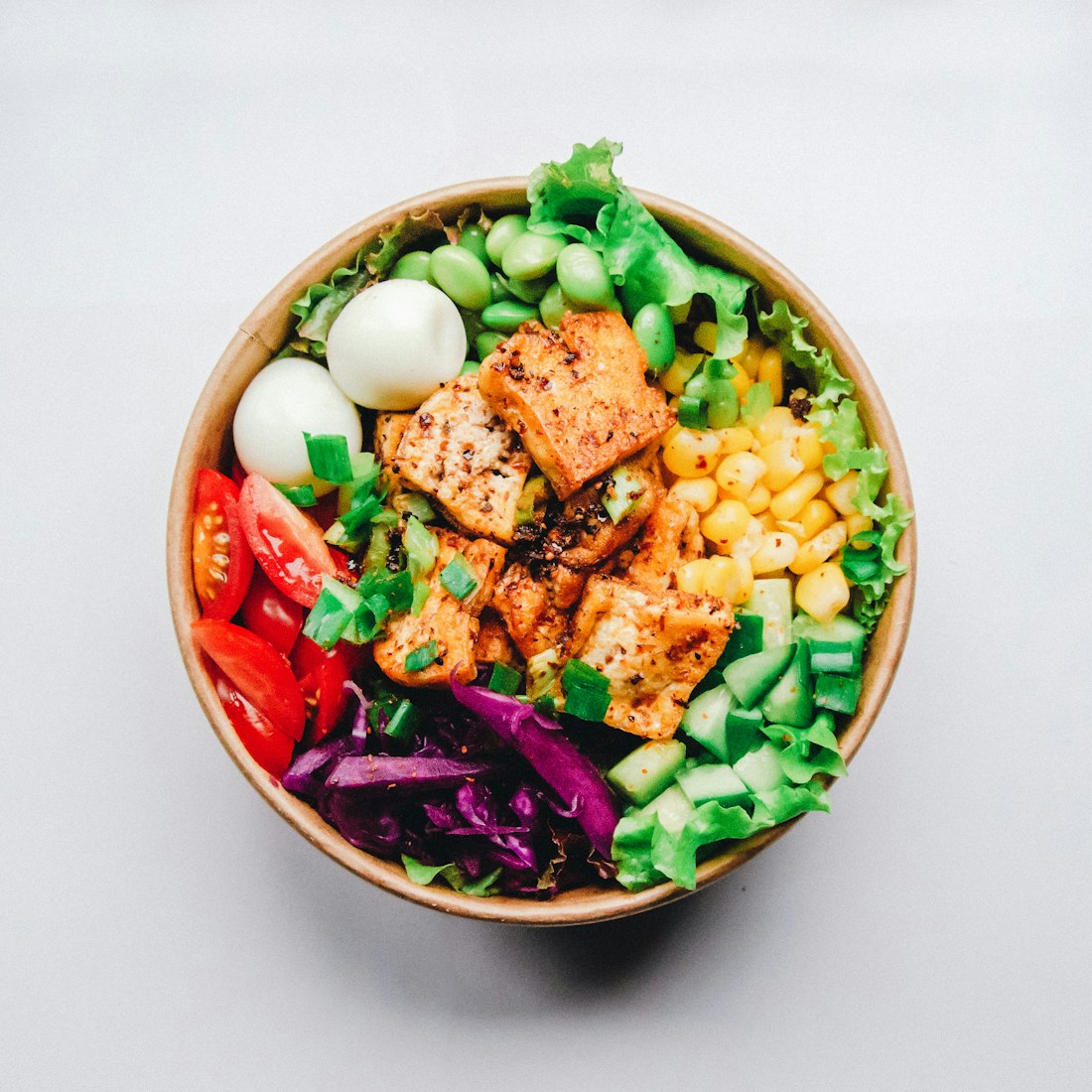
Target: 1.2–1.6 g of protein per kg of body weight daily. Good sources include chicken breast, eggs, Greek yoghurt, lentils, tofu, fish, and cottage cheese.
3. Reduce Ultra-Processed Foods
Ultra-processed foods (UPFs) — think packaged snacks, instant noodles, sugary cereals, and fast food — are engineered to override your body’s natural satiety signals. A landmark NIH randomised controlled trial (Hall et al., 2019) found that participants consuming a UPF diet ate 500 more kcal per day and gained weight, while those on a whole-food diet lost weight without calorie counting.
Practical tip: If a food has more than 5 ingredients or contains ingredients you wouldn’t find in a home kitchen, eat it sparingly.
4. Incorporate Strength Training
Cardio burns calories during exercise, but resistance training changes your body composition long-term. More muscle mass means a higher resting metabolic rate — you burn more calories even at rest. Aim for at least 2–3 strength sessions per week targeting major muscle groups (legs, back, chest, shoulders).

5. Walk More — Every Step Counts
Non-Exercise Activity Thermogenesis (NEAT) — the calories burned through everyday movement like walking, fidgeting, and standing — can account for up to 2,000 extra kcal per day in very active individuals versus sedentary ones. Increasing your daily steps from 3,000 to 10,000 is one of the most accessible and underrated weight loss tools available.
- Take the stairs instead of the lift
- Walk or cycle for short errands
- Set a timer to stand and move every hour
- Walk after meals — it also blunts postprandial blood sugar spikes
6. Drink More Water (Especially Before Meals)
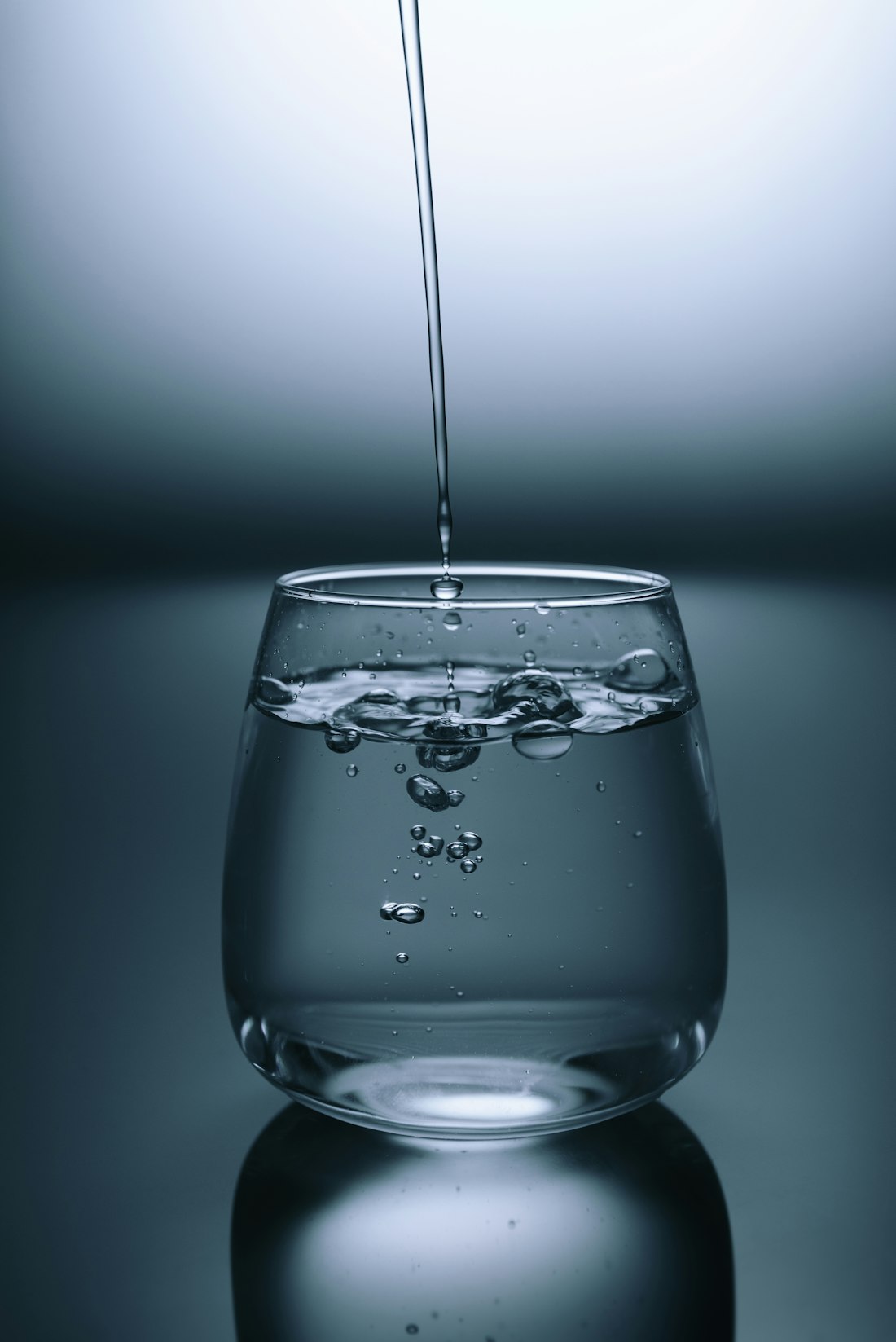
Research shows that drinking 500 ml of water 30 minutes before a meal reduces calorie intake by 13% and accelerates weight loss. Water also temporarily boosts metabolism by 24–30% for up to 60 minutes. Replacing sugar-sweetened beverages with water alone can lead to meaningful weight reduction over time.
7. Sleep 7–9 Hours Per Night
Sleep deprivation disrupts the hormonal axis governing hunger and satiety. Just one night of poor sleep increases ghrelin (hunger hormone) by 28% and decreases leptin (fullness hormone) by 18%. Sleep-deprived individuals consume an average of 385 extra kcal/day (Al Khatib et al., 2017). Prioritising 7–9 hours of quality sleep isn’t a luxury — it’s a metabolic imperative.
8. Manage Stress Effectively
Chronic stress elevates cortisol — a hormone that promotes fat storage, particularly in the abdomen. It also drives emotional eating and cravings for high-calorie comfort foods. Proven stress-reduction techniques include:
- Mindfulness meditation (even 10 min/day reduces cortisol significantly)
- Deep breathing exercises (4-7-8 technique)
- Journalling to process emotions without food
- Social connection — loneliness is a hidden driver of overeating

9. Eat Mindfully and Slowly
It takes approximately 20 minutes for satiety signals to travel from your gut to your brain. Eating too quickly means you consistently overeat before your brain registers fullness. Studies show that slow eaters consume significantly fewer calories and report greater meal satisfaction. Simple mindful eating habits include:
- Put your fork down between bites
- Chew each bite 20–30 times
- Eat without screens (TV, phone)
- Use smaller plates and bowls
10. Track Your Food Intake (At Least Initially)
Food tracking creates awareness — the essential first step in behaviour change. A meta-analysis of 15 studies found that self-monitoring of food intake was the strongest predictor of weight loss success. You don’t need to count calories forever, but doing so for 4–8 weeks builds an intuitive understanding of portion sizes and energy density. Apps like MyFitnessPal, Cronometer, or Lose It! make this straightforward.
📊 A Sample Weekly Plan
| Day | Nutrition Focus | Exercise | Lifestyle Habit |
|---|---|---|---|
| Monday | High-protein breakfast (eggs + Greek yoghurt) | Full-body strength training (45 min) | 8,000 steps + 8 hrs sleep |
| Tuesday | Reduce processed snacks; add fruit | Brisk 30-min walk | 10 min meditation |
| Wednesday | Increase vegetables to half your plate | Upper body strength training | Drink 2.5L water |
| Thursday | Swap white rice for brown rice or quinoa | 30-min jog or cycling | Screen-free meals |
| Friday | Meal prep for the weekend | Lower body strength + core | Early bedtime (10 pm) |
| Saturday | Enjoy one mindful treat meal | Active hobby (swim, hike, dance) | Socialise — combat stress |
| Sunday | Rest and reset nutrition | Light yoga or stretching | Plan next week’s meals |
⚠️ What Doesn’t Work: Common Myths Debunked
- ❌ Detox teas and cleanses — No scientific evidence supports these for weight loss. They often cause dehydration and electrolyte imbalance.
- ❌ Cutting all carbohydrates — Whole food carbs (oats, sweet potato, legumes) are nutritious. The problem is refined carbs, not carbs in general.
- ❌ Skipping breakfast — Evidence is mixed. What matters is total daily calorie intake, not meal timing per se.
- ❌ Spot reduction — You cannot lose fat from a specific area by exercising that area. Fat loss is systemic.
- ❌ Supplements alone — Fat burners and metabolism boosters have minimal evidence and significant safety concerns.
🏁 Final Thoughts: Progress Over Perfection
Weight loss is not a linear journey, and it was never meant to be. You will have setbacks, plateau weeks, and days when motivation disappears entirely — and that is perfectly normal. The people who succeed long-term are not those with perfect willpower; they are those with consistent systems and a growth mindset.
Start small. Pick two or three strategies from this list and implement them this week. Once they become habits, layer in more. Over time, these small changes compound into transformative results — not just on the scale, but in your energy, mood, confidence, and long-term health.
“You don’t have to be great to start, but you have to start to be great.” — Zig Ziglar
📚 Key References
- Hall KD, et al. (2019). Ultra-Processed Diets Cause Excess Calorie Intake and Weight Gain. Cell Metabolism, 30(1), 67–77.
- Leidy HJ, et al. (2015). The role of protein in weight loss and maintenance. American Journal of Clinical Nutrition, 101(6), 1320S–1329S.
- Al Khatib HK, et al. (2017). Sleep extension is a feasible lifestyle intervention in free-living adults who are habitually short sleepers. American Journal of Clinical Nutrition, 105(4), 964–974.
- Boschmann M, et al. (2003). Water-induced thermogenesis. Journal of Clinical Endocrinology & Metabolism, 88(12), 6015–6019.
- Burke LE, et al. (2011). Self-monitoring in weight loss: a systematic review. Journal of the American Dietetic Association, 111(1), 92–102.
💬 Found this article helpful? Share it with someone on their health journey, or drop your questions in the comments below. We read every one!

Quiz functionality is currently unavailable. Please contact the site administrator.